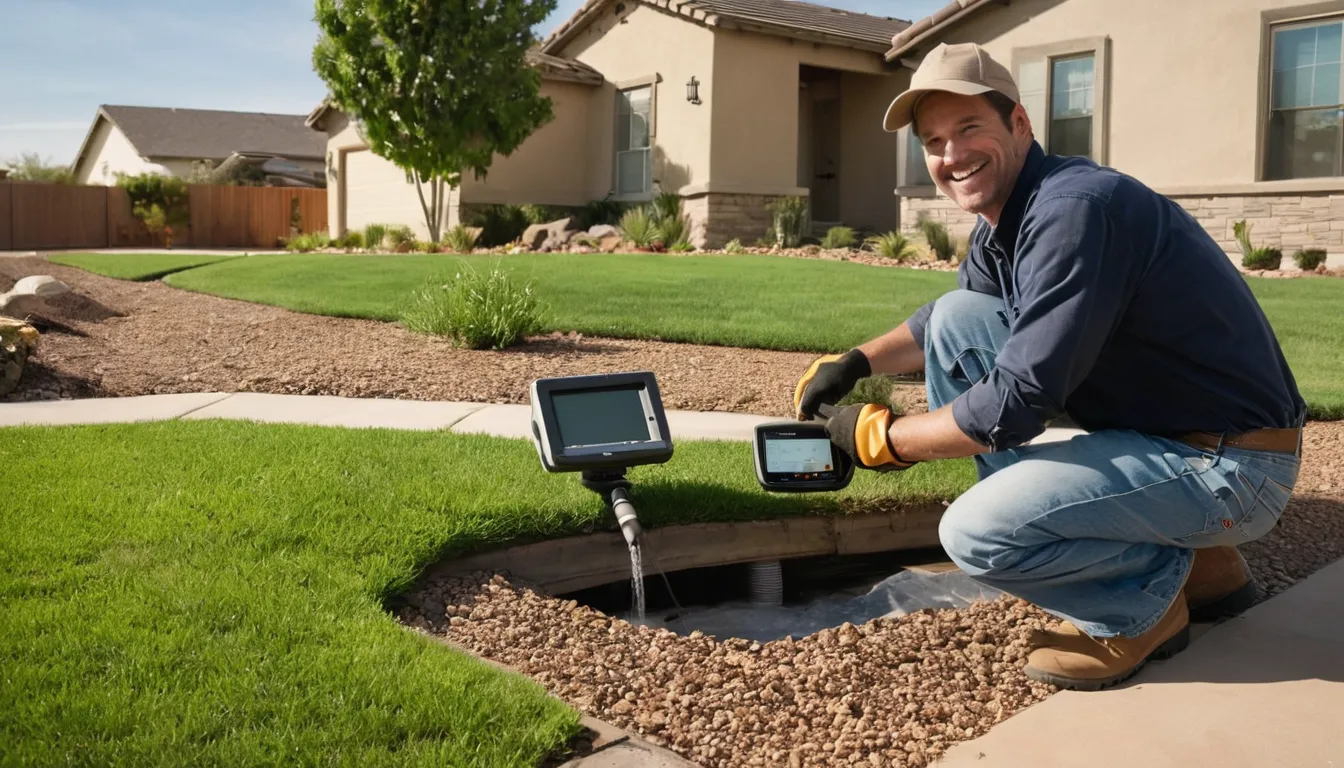
Sewer Line Repair for Older Homes
Request a no-obligation estimate
A sewer line carries everything from your drains out to the street main or a septic tank. When it cracks, clogs or collapses, wastewater has nowhere to go. In older houses, the cause is often aging clay, cast iron or fiber pipe, plus patch jobs from years back. Knowing the basics helps first-timers ask sharper questions and avoid rushed choices.
This page walks you through what to check yourself, where to stop, and how repairs usually work. Independent providers in our network handle the digging, lining and replacing. Longgines Septic only connects you with them, so you can compare options across the San Juan Capistrano area and decide with no obligation.
Sewage Backing Up? Start Here
Stop adding water. That means no laundry, no dishwasher and no long showers. Every gallon you send down has nowhere to go but back up a drain.
Do These Three Things First
- Shut off water use in the whole house.
- Keep kids and pets off wet floors. Wear rubber gloves and boots if you must step in it.
- Open a window if you smell sewer gas. Leave the house if the smell is strong or you feel dizzy.
Where DIY Ends
Pulling the cleanout cap is a fair job for a handy owner. It is usually a capped pipe in the yard, crawlspace or basement. Stand to the side, loosen it slowly and let pressure vent. If sewage rushes out, stop and leave the cap loose.
Do not push a rented auger through old clay or cast iron. You can snag a joint or crack a worn pipe, and a clog turns into a dig. Let a provider with the right tools take over from there. Many providers can respond quickly to a backup, though availability varies.
Request a callback to check provider availability.
Signs of a Sewer Line Problem
Backups are the loud sign. Quiet signs show up first, so keep an eye out for these:
- Gurgling in a toilet or tub when another fixture drains
- Slow drains in more than one room
- Sewer smell in the yard or near a floor drain
- A soft, soggy or oddly green patch along the pipe path
- A small sinkhole or sunken strip in the lawn
- More rats or roaches around the foundation
A Quick Check Before You Call
Run each sink for a minute. Flush the toilet closest to the main drain. If only one fixture is slow, you likely have a local clog that a plunger or hand snake can clear. If several fixtures act up together, or a floor drain bubbles when you flush, suspect the main line. Jot down what you see and when. Providers use those notes.
What Damages Older Sewer Lines
Pipes in 1950s to 1980s houses were made from what was common then. Clay tile has joints that gap over time. Cast iron rusts from the inside and flakes. Orangeburg, a pressed fiber pipe, can soften, squash out of round and collapse. An experienced provider has seen all three. You may not have.
Roots, Soil and Past Patch Jobs
Long dry seasons send roots hunting for water, and they find it at pipe joints. Winter rain then soaks and shifts the soil, which can tilt or pull apart weak sections. Add a patch from a past owner, such as plastic glued to old clay, and you get weak spots nobody wrote down. Ask former owners or check old permit records for repair history. Know before you dig.
How Sewer Line Repair Works
Camera Inspection Comes First
A provider feeds a small camera down the line. It shows cracks, offsets, roots and low spots on a screen, and a locator marks the depth and path. Ask to see the footage. On slab homes the line may run under concrete, so this step matters even more.
Spot Repair, Lining or Replacement
The right fix depends on what the camera shows:
- Spot repair: dig down and swap one bad section. Good when damage is short.
- Pipe lining: a resin sleeve cures inside the old pipe. Less digging, but the pipe must be mostly intact.
- Pipe bursting: a new pipe is pulled through as the old one breaks apart.
- Full trench replacement: the old line comes out and new pipe goes in. Sometimes the only choice for collapsed or badly sagging pipe.
Ask why a provider picked a method and what the other options would be.
Want to compare approaches? Request an estimate and see what providers in our network suggest.
Permits and Property Lines
Most areas want a permit for sewer work, and many call for an inspection before the trench is closed. The provider usually handles the paperwork, so ask who pulls it. Also learn where your duty ends. In many places the homeowner owns the pipe from the house to the property line, or even to the main, but rules vary. Your city or sewer district can tell you. Utility locating should happen before any digging so nobody hits gas, power or water lines.
Septic and Well Notes
Not every house connects to a city main. If yours runs to a septic tank, a backup may mean the tank is full or the drainfield is struggling. That can call for septic tank pumping, emergency septic cleaning or drainfield repair, which are separate jobs from sewer line work. If you have a private well, say so up front. Trenches need space from the wellhead, and water well service may be worth a look if a leak ran near it.
Keeping Your Sewer Line Healthy
What Not to Flush or Pour
Only toilet paper goes down the toilet. Wipes labeled flushable still snag. Pour grease into a can, not the drain. Coffee grounds and stringy scraps build up too.
Yearly Habits That Pay Off
Check the cleanout cap each season. Learn where the line runs, and keep thirsty, deep-rooted trees and shrubs away from that path. If your house is older, think about a camera look every few years, even when nothing seems wrong.
Restoring Your Yard
Trenching leaves a mess, so talk about it early. Ask whether the provider will set aside topsoil, protect sprinklers and cut concrete walkways cleanly. Expect to handle final grading, reseeding or planting yourself unless the quote says otherwise. Lining and bursting cut down on digging. Once the fill settles, add soil and water lightly.
Questions to Ask the Provider
- Can I see the camera footage?
- Which repair method fits my pipe, and why?
- Is a permit needed, and who pulls it?
- What does the written quote include, and what could change the price?
- How will you handle my yard, driveway and landscaping?
- Is any workmanship warranty offered in writing?
Request a callback to talk through your situation with a local provider.
What's Included
Camera Inspection
A small camera shows cracks, roots and low spots so the repair targets the real problem.
Spot Repairs
Short damaged sections are dug out and replaced with new pipe.
Trenchless Options For Old Pipe
Lining or bursting can fix some lines with far less digging in your yard.
Full Line Replacement
Collapsed, sagging or badly rooted pipe may need a new line from the house to the connection.
What Sewer Line Repair Typically Costs
Typical U.S. ranges are shown below. Your price depends on pipe depth, length, access, soil and local permit rules, so always get a written quote before work starts.
| Item | Typical range | Notes |
|---|---|---|
| Camera inspection | $100 – $500 | Shows the cause before any repair is chosen |
| Main line cleaning or jetting | $250 – $800 | Clears roots and buildup; may repeat if pipe is worn |
| Spot repair | $1,000 – $4,000 | Depends on depth and what sits above the pipe |
| Pipe lining | $4,000 – $12,000 | Needs a mostly intact pipe; less yard damage |
| Pipe bursting | $4,000 – $15,000 | Replaces the line with limited trenching |
| Full trench replacement | $3,000 – $20,000+ | Long runs, deep lines and slabs raise the price |
How It Works
Stop The Water
Cut back water use, keep clear of wet floors, and note which drains are slow or backing up.
Request An Estimate
Share your home's age, symptoms and any past repairs so providers can plan the visit.
Compare Written Quotes
Review camera findings, repair methods and prices before you choose a provider.
Confirm Permit And Cleanup
Settle who pulls the permit and how your yard gets restored before work starts.
Why Call Longgines Septic
Matched To Older Homes
Share your home's age and pipe type, and get pointed toward providers who handle aging lines.
Plain Words First
Guides explain the problem in simple terms before you speak with any provider.
No Obligation
Request an estimate, compare what you hear, and decide on your own schedule.
Local Providers
Independent providers in our network know local soil, permits and typical house styles.
Other Services
Need sewer line repair in San Juan Capistrano?
Tell us what is going on with your septic or sewer. Request an estimate and a local provider in our network can follow up. No obligation.
Sewer Line Repair FAQ
How do I know if my sewer line is broken?
Look for gurgling drains, slow drains in several rooms, sewer smells, soggy patches in the yard or backups. A camera inspection by a provider is the sure way to find the cause.
Can I fix a sewer line myself?
You can check the cleanout and plunge a single clogged fixture. Digging, cutting or replacing pipe is a job for a provider, since permits, depth and utility lines are involved.
Does homeowners insurance cover sewer line repair?
Some policies may cover sudden damage, but wear and tree roots are often excluded. Check your policy, and ask providers to help document damage for a claim.
Request a callback
Tell us what is going on with your septic or sewer. Request an estimate and a local provider in our network can follow up. No obligation.
No obligation