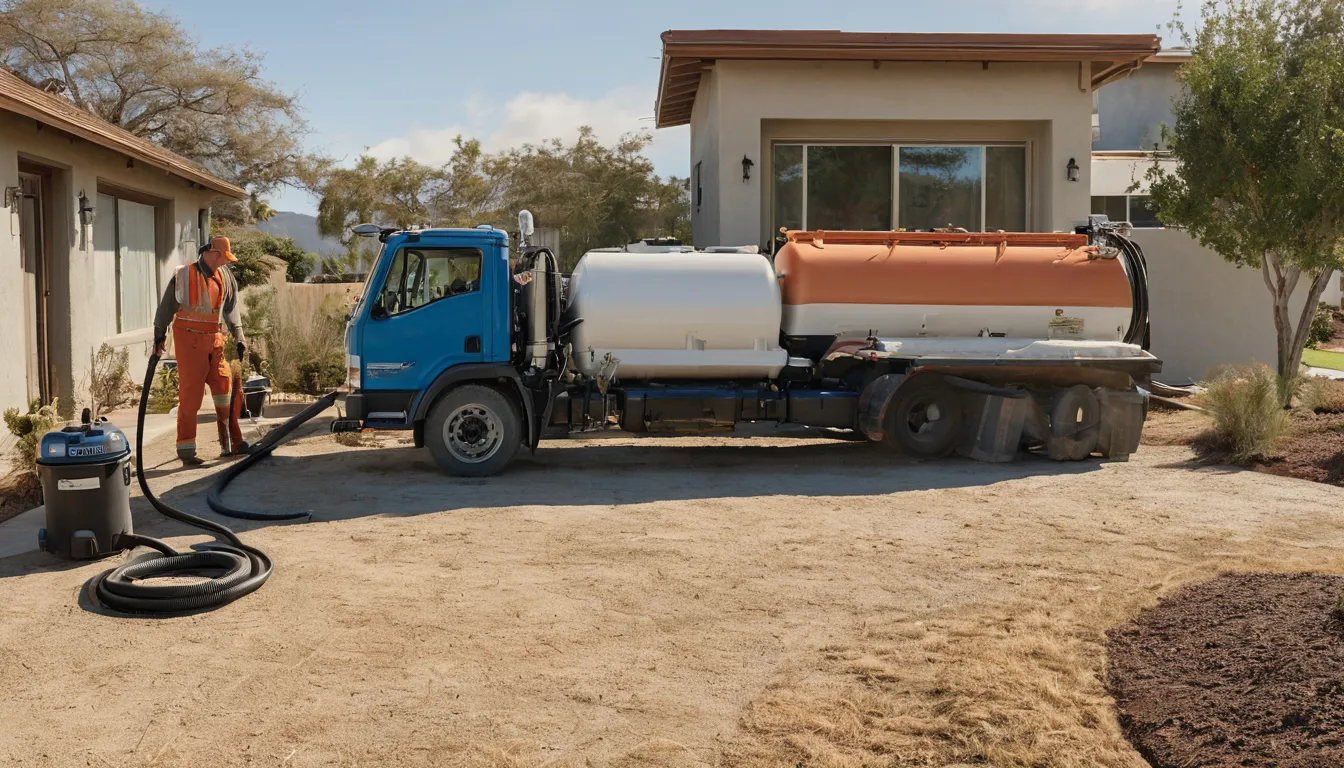
Septic Tank Pumping for Older San Juan Capistrano Homes
Request an estimate from local providers
A septic tank collects solids and lets liquid flow out to the drainfield. Over time, the solids pile up. When the tank gets too full, waste can back up into the house or push into the yard. Pumping empties the tank and gives the system room to work again.
Older homes bring extra questions. Tanks may be buried deep, lids may be lost under lawn, and past repairs may not be written down. Longgines Septic is a referral service. We explain the basics, then connect you with independent providers in our network who do the pumping. Request an estimate with no obligation.
Tank Full or Overdue? Start Here
Slow sinks, gurgling pipes, a sewer smell by the yard, or a wet patch over the tank are all warning signs. Toilets that flush weakly count too. If more than one drain acts up at once, the tank is a likely suspect.
Don't wait on these signs. A full tank can send waste into the drainfield, and that makes a small job turn into a big one.
What You Can Safely Check Yourself
You can do a few things with no tools. Run water in the sink farthest from the tank and see if it drains. Look at the lawn for soggy or extra-green spots. Think back to the last time anyone pumped the tank.
Stop there. Never open a tank lid and never climb near one. Tank gases can knock a person out fast. Check, then call.
When Emergency Septic Cleaning Makes Sense
If sewage is backing up into tubs or floor drains, that calls for emergency septic cleaning. Stop running water in the house. Skip the laundry, dishwasher and long showers.
Request a callback to check provider availability. Many providers can respond quickly, though timing depends on the day and their schedule.
Why Pumping Matters in an Older House
Old pipes, new questions. Many homes built from the 1950s to the 1980s have smaller tanks, aging baffles and pipes that have shifted over the years. Solids that slip past a worn baffle can clog the drainfield.
Pumping on schedule keeps those solids in the tank where they belong. It is far cheaper than drainfield repair later.
How Often Should You Pump?
A common rule is every three to five years. Your number depends on tank size, how many people live in the house, and how much water you use. A big family with a small tank may need pumping more often.
A garbage disposal adds solids, so it shortens the gap. Ask the provider to suggest a schedule after they see your tank.
Finding a Tank Nobody Marked
Older yards often hide the lid under sod or a flower bed. Look for old permit papers, a sketch from a past sale, or a line of pipe heading out from the house wall. The main sewer pipe usually leaves near the bathrooms.
You can probe the soil gently with a thin rod. Don't dig deep or use a power tool. Buried pipes and lines are easy to break. Know before you dig, and let the provider locate it.
What Happens During a Pumping Visit
The provider finds and uncovers the lid, then runs a hose into the tank. A truck pulls out liquid and sludge. Many providers also check the baffles and the water level and look for cracks.
The visit often takes an hour or two. Keep kids and pets away from the work area, and clear a path for the truck.
Pumping and Inspections
A pumping visit is a good moment for a look inside. Once the tank is empty, a provider can spot cracks, root intrusion or a failing outlet. Ask for notes or photos you can keep with your house papers.
Wells, Drainfields and Your Yard
If your home has a private well, ask a provider about the distance between well and tank. A separate water well service provider can test the water. Keep the two jobs in mind, since they are different trades.
Our climate has long dry spells followed by heavy winter rain. Wet soil can slow a tired drainfield, so a pumped tank gives it a better chance. If the yard stays soggy after pumping, ask about drainfield repair.
Buying or Selling a Home With a Septic System
Buyers often ask for a pumping and inspection before closing. If you're selling, pump ahead of time and keep the receipt. If you're buying, ask when the tank was last pumped and whether any records exist.
Caring for Your System Between Pumpings
A few habits go a long way:
- Spread laundry across the week.
- Fix drips and running toilets.
- Flush only toilet paper and waste.
- Keep grease, wipes and coffee grounds out of drains.
- Park cars and plant trees away from the tank and field.
Some slab homes have cleanouts near the wall. Know where yours is, and keep it clear.
Questions to Ask the Provider
Get a written quote before work starts. Ask what size tank the quote assumes, whether finding the lid costs extra, and whether they check the baffles. Ask how they dispose of waste.
Ask what they'll tell you in writing afterward. Good notes help with future pumping and any insurance paperwork.
What's Included
Tank Pumping
A provider empties solids and liquid from the tank so the system has room to work.
Baffle Check
Many visits include a look at the inlet and outlet baffles.
Lid Location Help
Providers can often find and uncover a buried or lost tank lid.
Written Notes
Ask for notes on tank condition and a suggested next pumping date for your records.
Typical Septic Pumping Costs
Septic tank pumping costs vary by tank size, access, location and how full the tank is. These are typical U.S. ranges only. Always get a written quote before any work begins.
| Item | Typical range | Notes |
|---|---|---|
| Standard pumping (1,000–1,500 gal) | $300 – $650 | Most common household tank size |
| Large tank (2,000+ gal) | $500 – $900 | Bigger tanks take longer to empty |
| Finding and digging up the lid | $100 – $500 | Buried lids take more time |
| Riser and lid install | $300 – $1,000 | Makes future pumping easier |
| Inspection with pumping | $150 – $450 | Often requested for home sales |
| Effluent filter cleaning | $50 – $200 | Only if your tank has a filter |
How It Works
Check the Signs
Note slow drains, odors or wet spots, and when the tank was last pumped, if you know.
Reach Out
Request a callback or send the request form with a few details about your home.
Compare Written Quotes
Review what each independent provider includes, such as lid finding, baffle checks and disposal.
Schedule the Pumping
Pick a provider, clear access to the tank area, and keep notes afterward for your records.
Why Call Longgines Septic
Plain Guidance
We explain pumping in simple words, so a first-timer knows what to check before booking anything.
Local Providers
You get connected with independent providers in our network who serve your part of the area.
Old-Home Awareness
Aging tanks, lost lids and past repairs are common, so we point out what to ask.
No Obligation
Request an estimate, compare it, and decide for yourself whether to hire.
Other Services
Need septic tank pumping in San Juan Capistrano?
Tell us what is going on with your septic or sewer. Request an estimate and a local provider in our network can follow up. No obligation.
Septic Tank Pumping FAQ
How do I know my septic tank needs pumping?
Slow drains, gurgling pipes, sewage smells, and soggy ground near the tank are common signs. If sewage backs up inside, stop using water and ask a provider for urgent help.
How often should a septic tank be pumped in an older house?
Every three to five years is typical, but older homes with small tanks or many people may need it sooner. A provider can suggest a schedule after checking your tank.
Can I pump my own septic tank?
No. Tank gases are dangerous and waste needs proper disposal. You can check drains and the yard yourself, but leave opening the tank and pumping to a provider.
Request a callback
Tell us what is going on with your septic or sewer. Request an estimate and a local provider in our network can follow up. No obligation.
No obligation