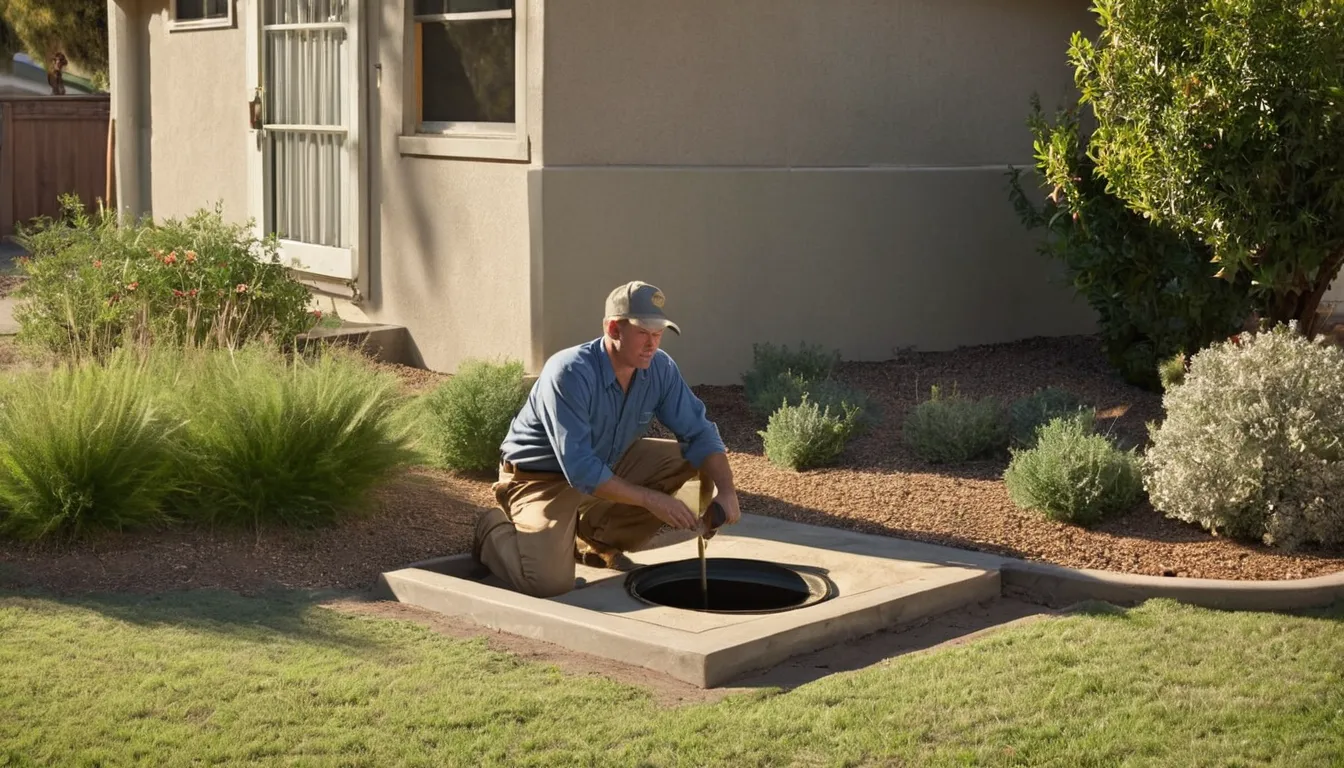
Septic System Repair for Older Homes
Request an estimate from a local provider
A septic system has a few moving parts: the pipe from your house, the tank, and the drainfield in the soil. When one part fails, wastewater has nowhere good to go. You may see slow drains, soggy ground or a sewage smell. In older houses, the cause is often aging pipe, a worn tank or a drainfield that has simply run out of life.
Longgines Septic is a referral service. We do not do the repairs. We explain the basics in plain words, then connect you with independent providers in our network across the San Juan Capistrano area. A local provider can inspect the system, explain what failed, and give you a written quote. You decide what happens next, with no obligation.
Septic trouble in an older house? Start here
A slow drain is annoying. Sewage in the tub is a different story. Septic system repair covers the fixes that keep wastewater moving from your house, through the tank, and out into the soil. When one link breaks, you tend to notice fast. This page shows what to look for, what you can safely try, and where a pro should take over.
Check, then call: your safe first steps
You can do a few things yourself while you wait for a provider.
- Cut back on water. Skip laundry, long showers and the dishwasher until you know more.
- Keep people and pets away from wet, smelly or sunken patches in the yard.
- Hunt for paperwork. Old permits or sketches may show where the tank sits. Many older homes have none, so note where the main pipe leaves the house.
- Take dated photos of stains, puddles and backups. They help a provider, and they help if you file a claim.
- Leave the lid shut. Gas inside a tank can hurt you, and old lids can crack under weight.
Skip the additives and the bleach. They will not fix a broken part. And do not dig around the tank or field on your own.
Warning signs, from urgent to mild
Urgent: sewage coming back up
Wastewater in a floor drain, tub or toilet needs attention first. Stop using water and keep everyone out of the area. Many providers can respond quickly, and some offer emergency septic cleaning to pump the tank down while they look for the cause. Request a callback to check provider availability.
Serious: soggy ground or strong odor outside
Spongy grass, standing water, or a rotten-egg smell over the tank or field points to wastewater rising where it should not. Bright green, fast-growing grass over the field is another clue. Stay off the area and get it looked at soon.
Early: slow drains and gurgles
Gurgling pipes, toilets that sluggishly flush, and drains that slow down all at once can mean a full tank or a blocked outlet. Septic tank pumping sometimes buys time here, but it is worth asking why the tank filled up so fast.
What tends to fail in older systems
Houses from the 1950s through the 1980s often hide surprises. Past owners may have patched things without writing anything down. Common trouble spots include:
- Old pipe. Clay pipe can crack and shift. Fiber pipe from decades ago can flatten or collapse.
- Worn tank parts. Baffles and inlet or outlet tees can rot away, letting solids slip into the field.
- Cracked or leaking tanks. Concrete ages, and steel tanks rust through.
- Tree roots. They find the smallest crack and squeeze in.
- A tired drainfield. Years of solids can seal the soil so it stops absorbing water.
How a repair visit usually works
A provider starts by listening to what you have seen. Then they locate the tank, open the lids and look at the water level, the baffles and the outlet. They may pump the tank first so they can see the walls. A camera in the pipe can show cracks, roots and low spots. Some will test how well the field absorbs water.
After that, you should get a plain explanation and a written quote. Smaller fixes, like replacing a baffle or a short run of pipe, can move quickly. Bigger work may need a permit from your local health or building office, and a provider in the network can tell you what applies where you live.
Drainfield repair and replacement
Drainfield repair depends on why the field is struggling. If the cause is a broken distribution box, crushed pipe or a clogged outlet, a targeted fix may be enough. If the soil is sealed or saturated, the provider may suggest resting the field, adding new trenches, or replacing part or all of it.
Long dry seasons can fool you. A field may look fine in summer and fail when winter rain arrives. Ask the provider to explain how the soil on your lot handles wet weather.
Repair or replace?
Repair often makes sense when the problem is one part and the rest is sound. Replacement comes up when the tank is cracked, the field has failed across the board, or repeated fixes keep adding up. Ask the provider to put both options in writing, with what each one fixes and what it leaves alone. Then compare them side by side before you decide.
If your home also has a well
Water well service and septic care often overlap. A leaking system near a well is a health concern. If you rely on a well, tell the provider up front. They can explain what to test and how far the work should stay from the wellhead. Do not drink water you suspect is affected until it has been tested.
Protecting the system after a repair
- Spread laundry across the week instead of stacking loads.
- Fix dripping fixtures and running toilets.
- Flush only toilet paper and waste. Wipes do not break down.
- Keep cars, sheds and deep-rooted trees off the field.
- Schedule septic tank pumping at the interval your provider suggests.
- Keep a folder with receipts, sketches and photos for the next owner.
Questions to ask the provider
- What exactly failed, and can you show me?
- Is this a repair or a replacement, and why?
- Will the work need a permit?
- What is in the written quote, and what could change it?
- How will you protect the yard, and any nearby well?
Know before you dig
Guessing where pipes run is how small problems become big ones. Let a provider locate the lines first. You will save time, and you will avoid cracking something old that was holding on.
What's Included
System inspection
A provider checks the tank, baffles, pipes and drainfield to find what failed and why.
Tank part fixes
Worn baffles, tees and lids can often be replaced without redoing the whole tank.
Pipe and line repair
Cracked or root-filled pipes between house, tank and field can be patched or replaced.
Drainfield repair options
From fixing a distribution box to adding trenches, providers can explain what suits your soil.
Typical Septic Repair Cost Ranges
Septic repair prices vary a lot by tank size, soil, access and local permit rules. These are typical U.S. ranges. Always get a written quote before work starts.
| Item | Typical range | Notes |
|---|---|---|
| Inspection with camera | $250 – $700 | Often includes tank and pipe review |
| Baffle or tee replacement | $300 – $900 | Depends on tank access |
| Pipe section repair | $1,000 – $4,000 | Deeper or longer runs cost more |
| Distribution box repair | $500 – $2,000 | Cheaper if the field is otherwise sound |
| Partial drainfield repair | $2,000 – $10,000 | Depends on trench length and soil |
| Full drainfield replacement | $8,000 – $25,000+ | Permits and system type affect price |
How It Works
Check the signs
Note drains, smells, wet ground and backups. Take dated photos and cut back on water use.
Reach out
Request a callback or send the request form to be matched with a provider.
Get a written quote
The provider inspects the system, explains the cause and lists repair options.
Approve and maintain
Choose your option, then follow the care tips to protect your repaired system.
Why Call Longgines Septic
Independent local providers
Providers in our network work in your area and know local soil and permit habits.
Plain explanations
Get the basics in simple words so you can ask better questions and compare quotes.
Older-home focus
Guidance written for aging pipes, past repairs and surprises nobody documented.
No obligation
Request an estimate and decide for yourself whether to hire anyone.
Other Services
Need septic system repair in San Juan Capistrano?
Tell us what is going on with your septic or sewer. Request an estimate and a local provider in our network can follow up. No obligation.
Septic System Repair FAQ
How do I know if my septic system needs repair?
Look for slow drains, gurgling pipes, sewage smells, soggy or sunken ground over the tank or field, and backups indoors. Any one can point to a problem. A provider can inspect the system and find the cause.
Can I fix a septic problem myself?
You can cut water use, take photos and keep people away from wet spots. Tank, pipe and drainfield work should go to a provider, since gas, heavy lids and permits are involved.
Does homeowners insurance cover septic repair?
Some policies may cover sudden damage, but wear and tear is often excluded. Check your policy and ask your agent. Providers can often help document damage for a claim.
Request a callback
Tell us what is going on with your septic or sewer. Request an estimate and a local provider in our network can follow up. No obligation.
No obligation